What do you know?
Which famous Gothic novel was first written as an entry for a ghost story writing competition?
A. Dracula
B. The Woman in Black
C. Frankenstein
Introduction to Gothic literature
Key learning points
In order to fully understand Gothic literature, it is important to know where it came from and why it became such a popular fiction .
When analysing gothic texts it's important to understand the context and of Gothic literature so you can apply them to the text you're reading.
Video about gothic literature
Gothic literature evokes an atmosphere of mystery, fear or terror.
The gothic genre was really popular during the 1800s with Frankenstein, Wuthering Heights and Dracula. But there were stories with Gothic elements before and there have been plenty since. So could you survive the dark world of a gothic novel?
Setting
First up, you’ll need to wrap up warm. There aren’t many tropical beaches in gothic fiction. Expect wind, rain and thunderstorms and things that go bump in the night. Night time settings appeal to reader’s instinctive fear of the dark - and under the cover of darkness things often aren’t quite as they seem.
Writers typically set their stories in abandoned or isolated locations like crumbling castles, windswept moors, places of decay and death. Places with seemingly no escape. But where there are also plenty of secrets with underground passages and hidden doors. This all adds to the sense of mystery and danger.
Themes
Typical gothic themes are the supernatural, science, revenge, religion, breaking societal norms and the battle between good and evil. These themes and impending bad fortune are often hinted at in the gothic novels through ominous warnings or symbolic omens, such as a full moon or a raven.
Characters
Gothic literature often contrasts different types of characters: victims and predators, good and evil. They are full of strange and often supernatural characters like ghosts, vampires and werewolves. Or sometimes it’s humans that seem to have something different about them, they might have special senses or abilities.
These settings, themes and characters combine to create creepy worlds and nasty narratives that send a shiver down the reader’s spine.
What is Gothic literature?
Gothic literature is a genre of fiction which first became popular during the 18th century.
Although many of the most famous Gothic novels were written during the Victorian times, conventions of the Gothic genre are still featured in popular culture today.
The term ‘Gothic’ originates from the name of an ancient Germanic tribe (The Goths) who are thought to have contributed to the fall of the Roman Empire. They had a reputation for being barbaric and later a form of was named after them as sort of insult.
The term Gothic first became linked to literature with Horace Walpole's 1764 novel The Castle of Otranto, later subtitled A Gothic Story. This term was probably given because of the book's medieval Gothic architecture and setting.
Gothic literature timeline
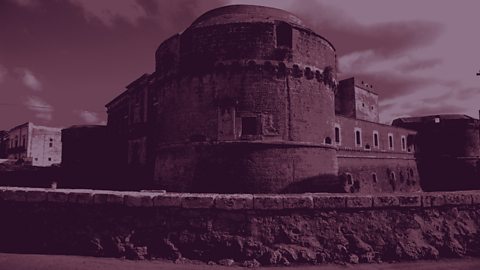
1764 - The Castle of Otranto: The first Gothic novel
Horace Walpole created what is considered to be the first Gothic novel. The Castle of Otranto introduced Gothic themes, locations and characters such as supernatural beings, an unfamiliar location, a dark and isolated castle and an innocent young woman fleeing from an evil man.
Features of the Gothic genre
Gothic literature can be recognised by its use of particular features, settings and characters.
Common conventions of the Gothic genre include the following:

Unlike horror stories, Gothic stories tend to create an atmosphere of tension and suspense for the reader using techniques as opposed to relying on gore and violence to scare the reader.
For example, the novel The Castle of Otranto is set in a castle with mysterious, supernatural events and an innocent female victim.
More recently, The Twilight Saga novels have Gothic conventions like romance and supernatural creatures.
In Gothic literature, all these features and conventions can be used as symbols to suggest deeper ideas to a reader. Find out more about understanding symbolism.
Gothic settings
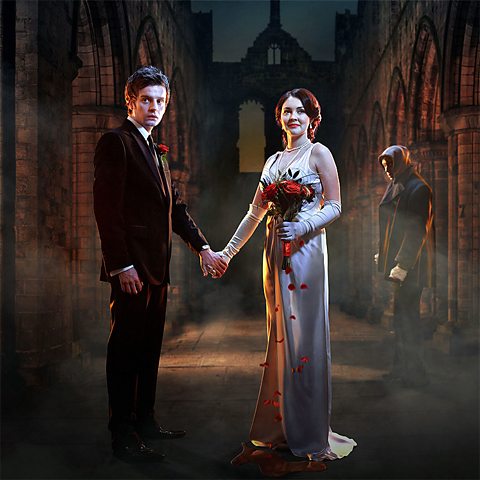
Many Gothic stories have similar settings.
Isolated settings
- For example, many key scenes in Frankenstein are set in the Arctic and The Woman in Black is set in a house which is cut off from the mainland by the high tide.
- Isolated settings might be used because it is harder to escape when supernatural things begin happening.
Castles
- Particularly ruined castles.
- For example, Count Dracula’s castle is one of the key settings in Dracula and The Castle of Otranto is (unsurprisingly) set in a castle.
Night time
- Darkness allows for things to be hidden, which is another common feature of Gothic stories.
- Most people sleep when it is dark, this links night time settings to the Gothic theme of isolation.
Forests
- Forests can be very dark if the trees are dense.
- It is also quite easy to get lost in a forest.
- This is another way that characters can become isolated or trapped in Gothic stories.
- Some stories use castles or houses with lots of corridors for a similar reason.
Gothic characters
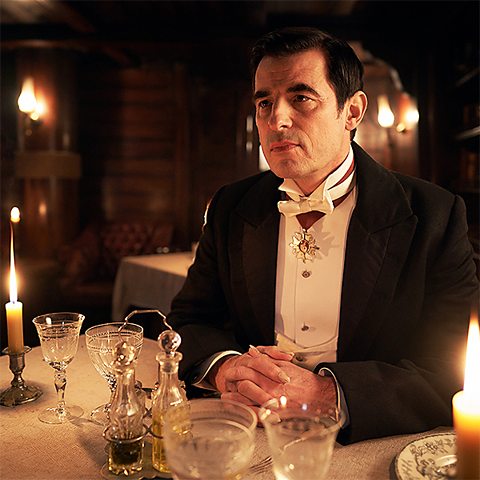
Characters in Gothic stories often fit a particular type.
Creepy aristocrat
- This character is often rich, usually old and almost always isolated.
- They might be mysterious and misunderstood or evil and dangerous.
- One is example is Count Dracula from the novel Dracula.
A supernatural figure
- This character might be evil and is definitely scary.
- Examples include the creature in Frankenstein and the Other Mother in Neil Gaiman’s Coraline.
An innocent victim
- In early Gothic stories, this character was often a young girl, like Emily in The Mysteries of Udolpho.
- Later Gothic stories included young men in this role also.
- This character might be protected by their innocence, though they will probably be in great danger.
The antihero
- Some Gothic stories include a main character who does some things that the reader knows are wrong or bad.
- They can’t be considered the hero of the story because of this, but they are still the main character. Therefore they become the antihero.
- For example Dr Jekyll in The Strange Case of Dr Jekyll and Mr Hyde.
- These characters can be very interesting, as the reader isn’t sure whether they are good or bad.
Gothic motifs
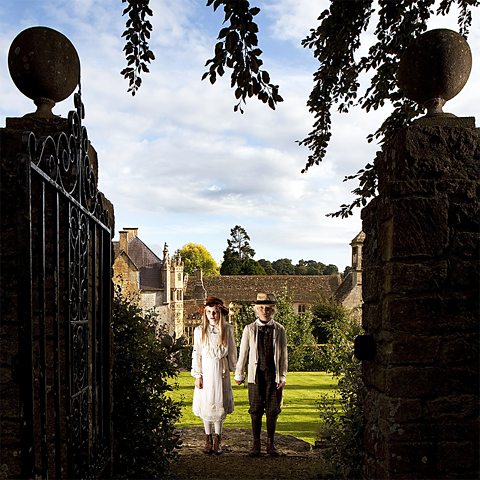
There are some common motifs which are used in many Gothic stories.
Strange places
- Just like many Gothic stories are set in isolated locations, the motif of strange places puts characters somewhere strange and mysterious.
Transition or change
- Gothic stories often explore the consequences of change.
- To help them explore this, Gothic writers use motifs of change, like changing between the past and the modern day in Celia Rees’ Blood Sinister.
Power and powerlessness
- Many Gothic stories are about what happens when those with power misuse their power, or when those who are powerless try to fight back.
- This links to the characters of the aristocrat and the innocent victim and can be shown through characters being physically or metaphorically trapped.
Uncertainty
- Gothic novels tend to create a feeling of uncertainty, by making the characters and the reader question what they believe and what is real.
- This can be done through the use of isolated settings and the supernatural, but writers can also create this motif through the use of unreliable narrators, such as in The Tell-Tale Heart.
Techniques used in Gothic literature
Allegory
- An allegory is when a novel has a deeper meaning, beyond the simple events in the story.
- Some writers use Gothic stories as allegories for developments in society at the time.
- Through presenting Dracula as a mysterious character from , who preys upon innocent people, it could be that Bram Stoker was commenting on the fear Western people had of Eastern cultures after the expansion of the British Empire.
Juxtaposition
- A juxtaposition is when two different ideas are presented side by side, emphasising their contrast.
- For example day and night or hot and cold.
- In Frankenstein, Mary Shelley presents a juxtaposition of science and religion.
- When Victor Frankenstein uses science to create ‘life’ he inadvertently creates a monster. His inevitable loss of control over this monster can be seen as a warning against humans turning their back on traditional religious beliefs.
Parody
- A parody is an imitation of something using exaggeration for comedic effect.
- As Gothic literature became more popular, parodies of the genre began to emerge.
- One of the most well-known examples of Gothic parody is Jane Austen’s Northanger Abbey.
- Austen, who is usually associated with romantic novels, decided to mock traditional Gothic conventions by exaggerating the features in her novel.
Comments
Post a Comment